The Flu
Everyone has heard about the flu. We are trained to respond with sympathy and concern when we hear that someone we know has the flu. However, when I personally hear about someone I know having the flu, I imagine them missing school/work for maybe a week and then making a full recovery. For many people that is not the reality. Influenza is a potentially fatal infection and I want to bring more awareness to the severity of it.
General Information
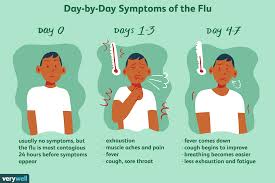
Symptoms of the flu are relatively broad. Some symptoms include: fever, sore muscles, congestion, cough, and fatigue. The virus is spread by inhaling droplets and then carrying the virus to the lungs. There is an extremely short incubation period, which means you are likely to know who gave you the virus. Treatment for the flu is largely based on treating the symptoms, but antiviral medications can be relatively effective, but typically only when given early in the onset of the virus.
Statistics
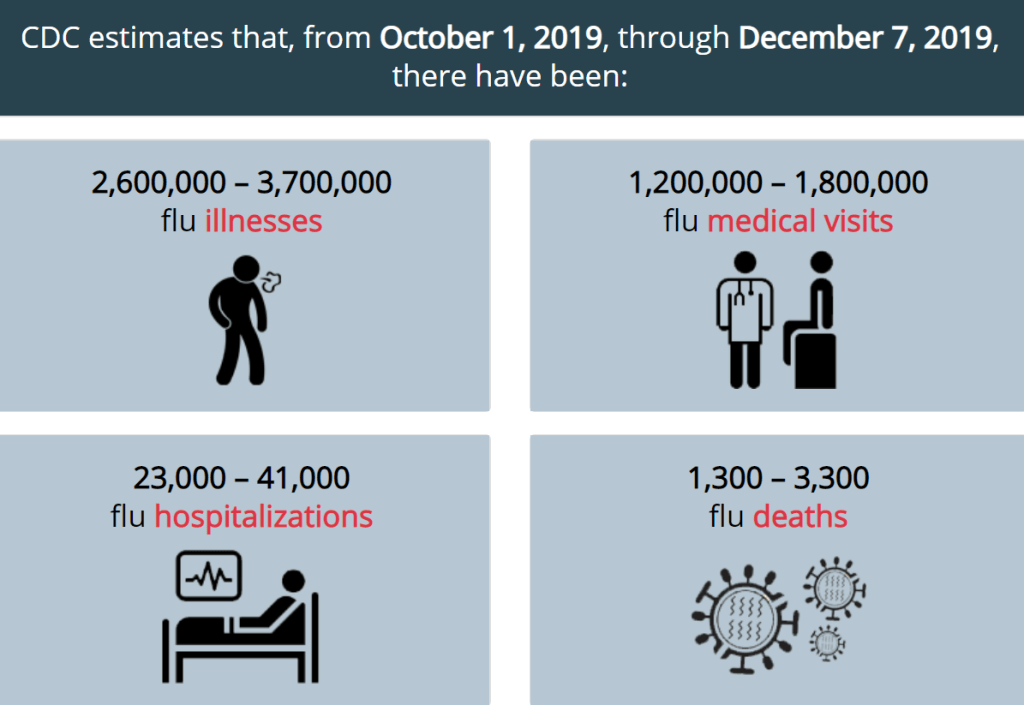
While the symptoms of the flu do not sound too scary, and are things many of us have experienced, the statistics regarding the flu are more reflective of the severity of the virus. For example, according to the CDC via Contagion Live, there has been a large increase in the activity of the flu in the US in the past two weeks, therefore it is an extremely prevalent disease. As a college student, who lives in a dorm and takes five classes, I am worried about how easily this virus can spread through campus. However, the increase of recent flu activity in the US is not the scariest statistic. The most shocking statistics are that during the 2019 – 2020 flu season there have been 19 million reported cases, and of those, there have been 10,000 deaths. These facts shocked me and encouraged me to want to research how to keep myself from being one of the 10,000 people who died from the flu.
Vaccines
Thankfully, there is a flu vaccine that can help prevent getting infected with the flu, or if you get infected it can help your body fight back faster against the virus. All flu vaccines are made based off analyzing which flu strains made an appearance in the previous season. According to the CDC, the 2019 flu vaccine contains components from the H1N1 and H3N2 flu strains. In addition, it is recommended that the vaccine be offered at the end of October. I personally received my flu shot in September, so I was a little ahead of schedule. For people who do not like shots there is even a nasal mist option available in certain areas. Some people argue against getting the vaccination because it will not provide total immunity towards the virus, for example, the CDC still does not know the effectiveness of this year’s vaccine against the flu. However, the vaccine still provides some protection, with a typical effectiveness of about 50%. In addition, as Dr. Cramer would say, you would rather provide your child with some tools to fight off the infection instead of just throwing it to the wolves. Due to the fact that the flu is potentially fatal, and there is a helpful vaccine, I cannot understand why one would choose to not get a flu vaccine.


 Sommer's Blog