What is HPV?
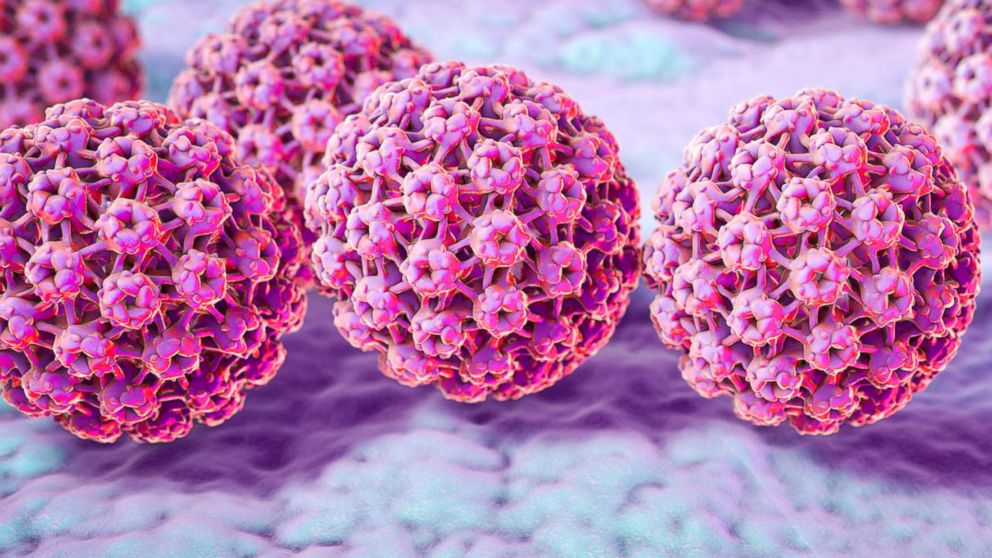
HPV stands for human papillomavirus, which is as scary as it sounds. According to the National Cancer Institute, it is a group of viruses, many of which are transmitted through sexual contact and can cause cancer. HPV is the most common STI (sexually transmitted infection). The most common symptom of HPV is itching and warts in one’s reproductive regions. However, what makes HPV so dangerous is that it is also common to not show symptoms, and therefore, easy to be infected and transmit the disease without knowing so. It is extremely dangerous to women because nearly all cervical cancers are caused by HPV.
HPV Vaccine
There are three HPV vaccines, all of which target the specific strains of the HPV that most commonly cause cancer. Typically, three doses of the vaccine are needed for optimal protection. It is suggested that the doses are received between the ages 9 and 26. It is not recommended to get the vaccine if you are older than 27 years old because the vaccine will not be effective if one has already encountered the virus and if one is sexually active it is extremely likely they have already come into contact with the virus. I am thankful that my parents already opted for me to receive the vaccine, however, even if they had not, I am still young enough that I could receive it not and still receive optimal protection from the vaccine. Also, thankfully the vaccine is extremely effective and therefore highly decreases my chances of getting cervical cancer.
HPV: Human Trials
The HPV vaccine was tested on many humans before before being deemed safe for all. According to the HPV Vaccine Program, it was tested on 20,000 females and 4,000 males before being approved as safe. A common misconception is that the vaccine prevents cervical cancer. The vaccine does not prevent cervical cancer, it just prevents the virus that is the causative agent of cervical cancers. The vaccine is also extremely effective in preventing cervical abnormalities, which is a common symptom of cervical cancers. There is some controversy surrounding the human trials involving the vaccine because of the misunderstood claim to prevent cervical cancer because in order to prove that, cancer would have to be given to participants after receiving the vaccine,a dn that would have been unethical, which is why the vaccine does not claim to prevent cervical cancer.

 Sommer's Blog