General Overview and Transmission
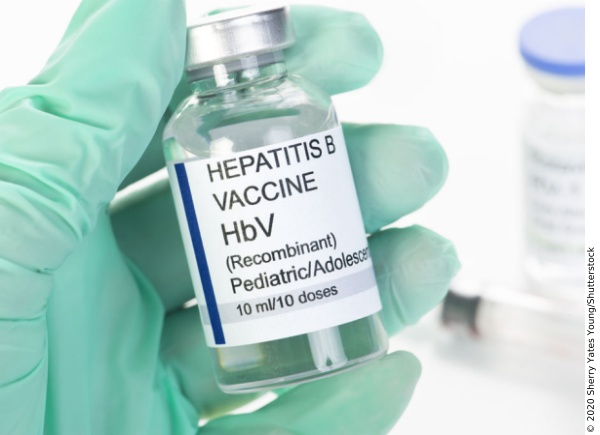
STDs are sexually transmitted diseases. They can be transmitted from sexual contact, including vaginal, anal, and oral sex through blood, semen, or vaginal fluid. According to Mayo Clinic, unfortunately, STDs are commonly transmitted because it can be common to show no symptoms and therefore one can pass the disease to a sexual partner without knowing so. When symptoms are present, they typically include sores, fever, rash, discharge, painful urination, or pain during sex. In addition, transmission can occur from mother to fetus, but only certain diseases, such as chlamydia, HIV, and syphilis. The good news is that some STDs have vaccines, including HPV, and Hepatitis A and B. Recently, I travelled to Trujillo, Peru to volunteer with a small medical clinic, and we spent one day giving Hepatitis B vaccinations to factory workers.
Prevention
The best method to prevent STDs, according to Planned Parenthood, is to not have sex, meaning practice abstinence. This is the best method because it eliminates the transmission route of STDs and therefore greatly reduces the chances of acquiring an STD. However, there are many ways to practice safe sex. For example, condoms can block the transmission of fluid and skin to skin contact and help reduce the risk of STD transmission if used properly. I remember in middle school, during the sex education unit in health class, the teachers always stressed condom use to prevent pregnancies and STDs.

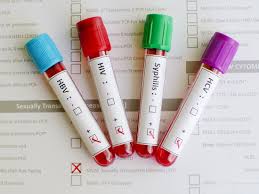
In addition, regular STD testing and monogamy also help prevent STD transmission. This is because monogamy means only engaging in sexual practices with one partner. If an individual is only having sex with one other partner, then they are only at risk for receiving/spreading an STD from/to that partner. ANd this is where STD testing is extremely helpful. STD testing is the only guaranteed way to let someone know if they have an STD. If two partners are tested for STDs before engaging in sexual activity, and they remain monogamous, then the chances of either acquiring an STD are fairly low. STD testing can involve blood, saliva, and urine tests. Many college campuses promote free or cheap STD testing in order to provide safe sex options to young adults.

 Sommer's Blog