Monoclonal Antibody Drugs
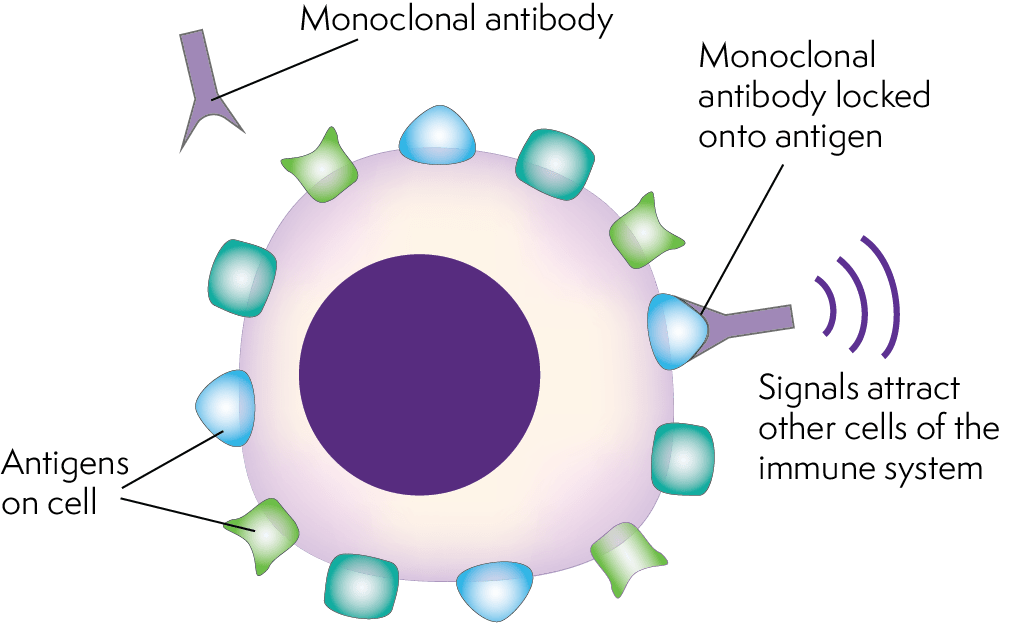
Omalizumab is a monoclonal antibody drug that is FDA approved. So, what are monoclonal antibody drugs? According to Medicinenet, they are synthetic antibodies made by scientists to replicate actions of the immune system. The way they are created begins with putting antigen producing human genes into a laboratory animal. Then the animals are given a vaccine, specific to a chosen antibody. This causes the antibody to be produced by the memory cells of the animal, using the human genes that cause antibody production. From here, the monoclonal antibody drug is made by scientists from cloned immune cells. I am extremely impressed and thankful for this level of innovation because many useful drugs are made in this manner. One of these drugs is omalizumab, whose purpose is to treat asthma through injections, which is essential during this COVID pandemic since so many people with asthma are being put into danger.
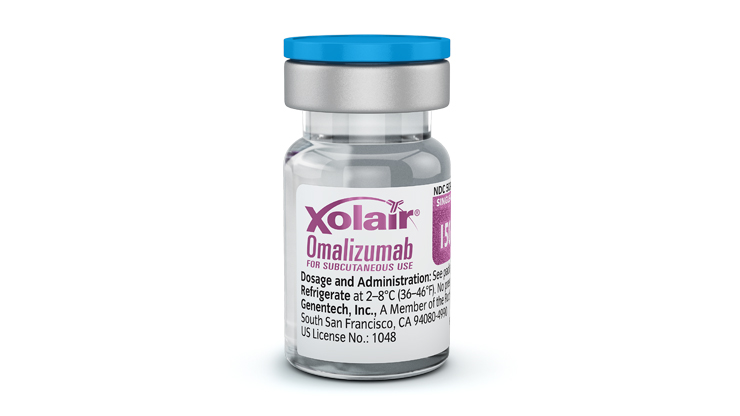
Omalizumab: Specifics
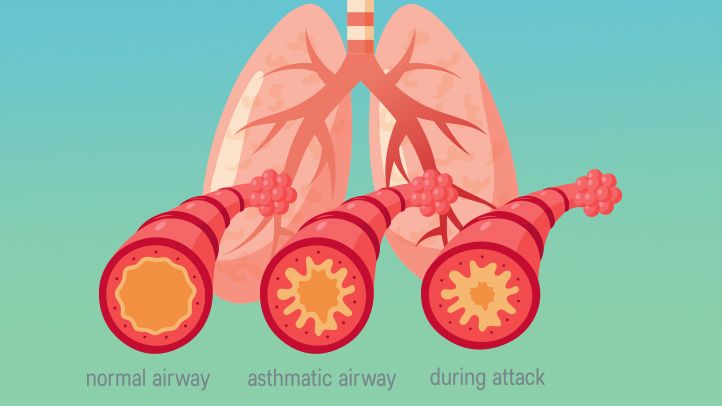
Omalizumab is used to treat asthma. It does so by blocking surface receptors on mast cells and basophils, so that the antibody IgE cannot bind to them. By preventing binding, an allergy reactions and inflammatory responses do not occur or occur less frequently because they are not induced since there is no binding antibody initiating the response. By preventing IgE binding, the initiation of allergic reactions are prevented. This helps an asthmatic patient since the less allergic reactions they experience, the less likely they are to have an asthma attack. As someone studying microbiology, understanding the mechanics behind this drug increases my confidence its effectiveness, since I understand the way in which it will help someone who has asthma. I hope it is being used now to help those with asthma to continue preventing allergic reactions, which will hopefully keep them well enough to combat the coronavirus, should they become infected.
Effects and More
Like all drugs, omalizumab has side effects. These side effects include:
- headaches
- viral infections
- upper respiratory tract infections
- sinusitis
- pharyngitis
- injection site reactions including pain, redness, swelling, itching, and bruising
- serious life threatening allergic reactions including difficulty breathing, fainting, low blood pressure, swelling in the throat or tongue
Possible side effects in relation to the fact that this drug is used to treat asthma, include preventing an allergic reaction that was necessary. For example, if your body is not reacting with an allergic reaction then you do not know that you need to seek medical attention or to stop interacting with the antigen/agent that is causing your allergic reaction. This makes another possible side effect preventing a necessary allergic reaction. In addition, in atopic patients, it has been found to reduce the number of FcRI cell receptors on basophils. This drug is not known to make one more susceptible to other disease infections, nor is it known to cause a positive response to a tuberculosis test. This drug does impact the immune system because it interrupts it by stopping IgE from initiating an allergic reaction. Allergic reactions are controlled by the innate immune response. While this drug has a positive effect for the asthmatic patient, it is the innate immune system that is being negatively affected because it is being stopped from what it is supposed to be able to do, which is bind IgE to receptors on basophils and masts cells in order to initiate allergic reactions. I am thankful this durg exists since I have many friends with asthma and I know this can keep them from constantly having asthma attacks.

 Sommer's Blog