Epidemics Outside of Corona

Coronavirus Isnt the ONLY Epidemic

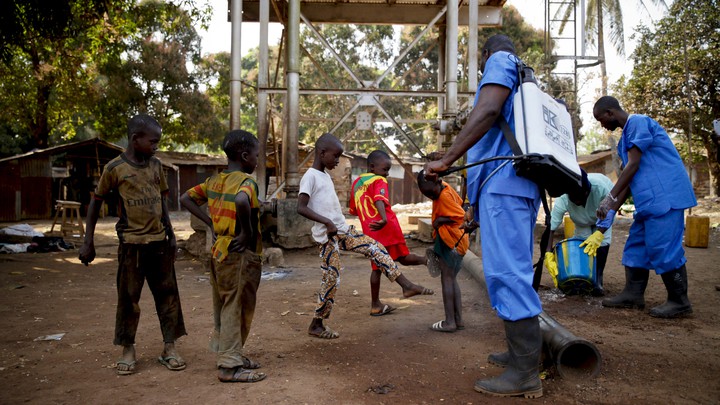
There are many other current epidemics in the world. For example, the Ebola and Zika viruses are still current epidemics in particular communities. Unfortunately, many epidemics are losing the interest of the news, due to the coronavirus pandemic. The Ebola virus is currently causing an epidemic in the Democratic Republic of the Congo. According to the World Health Organization, people should try to restrict travel to this area due to the outbreak of Ebola. It began in late January when four cases were reported and the numbers grew from there.

The Spread

Between mid January and early February, there were 18 confirmed cases in a central area, and three deaths resulted. the cases all occurred in the Beni and Mabalako regions. In addition, these recent outbreaks are still part of the epidemic that began in 2019 in the Democratic Republic of the Congo, according to Medecins Sans Frontierers. The worst number of cases came between April and June of 2019 when 1000 people were diagnosed just within those three months. Numbers have dropped since then, but there are still new cases appearing. With now 3000 total cases from this region, it is now the second largest Ebola epidemic, with the first occurring in Western Africa between 2014 and 2016.
Fighting Ebola

Almost Over – But Not Yet

Since the largest number of cases appeared in mid 2019, I would have assumed that the epidemic is nearly over. While the number of cases have drastically decreased, it is not fully over. It was expected that the epidemic could have been officially declared as over on April 13th, if there were no present cases, but unfortunately a new case appeared on April 10th. Since this epidemic began, there have been 3311 confirmed cases and 2273 deaths. While I am thankful that the number of cases and dropped drastically, and this community can begin to feel safe again, I wonder if a large percentage of the scientists and doctors and healthcare workers and researches in the world focused on Ebola as intently as they are focusing on the coronavirus, if the number of cases and deaths could have been diminished or even prevented after the 2016 epidemic. Of course I understand that there are so many diseases and illnesses and all of them need attention from researchers and medical professionals, but also, it makes me wonder how much more we could achieve with everyone focusing all of their resources on one thing at a time and collaborating together to find solutions.

Monoclonal Antibody Drugs Do What?

Monoclonal Antibody Drugs

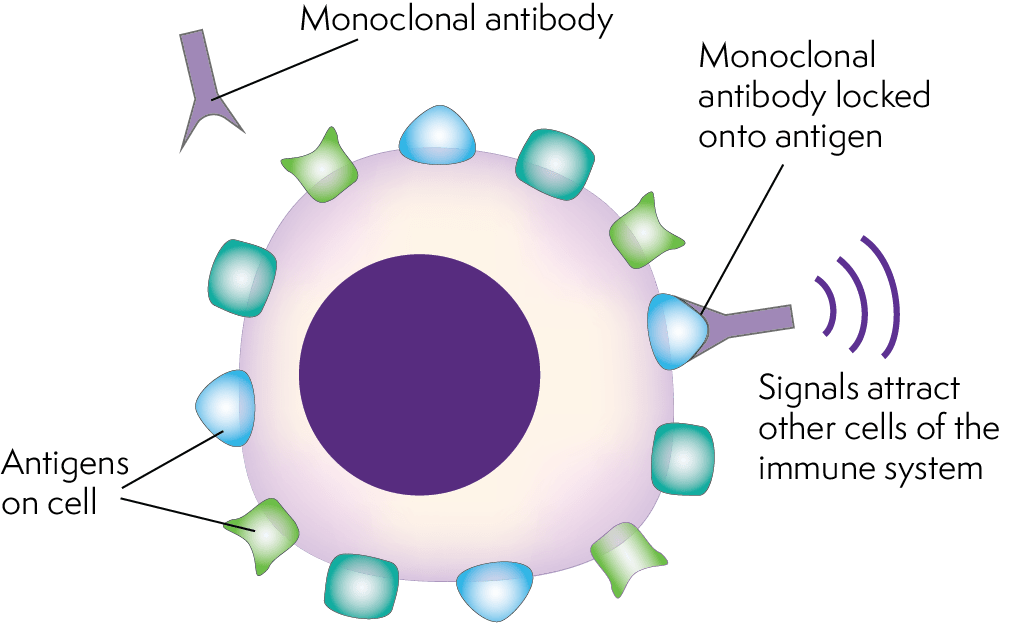
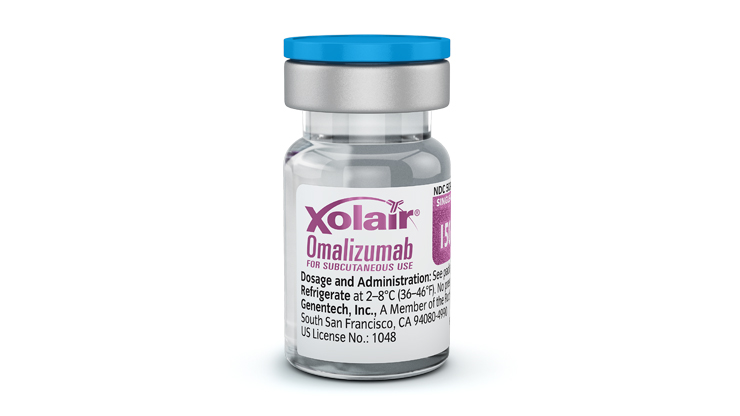
Omalizumab is a monoclonal antibody drug that is FDA approved. So, what are monoclonal antibody drugs? According to Medicinenet, they are synthetic antibodies made by scientists to replicate actions of the immune system. The way they are created begins with putting antigen producing human genes into a laboratory animal. Then the animals are given a vaccine, specific to a chosen antibody. This causes the antibody to be produced by the memory cells of the animal, using the human genes that cause antibody production. From here, the monoclonal antibody drug is made by scientists from cloned immune cells. I am extremely impressed and thankful for this level of innovation because many useful drugs are made in this manner. One of these drugs is omalizumab, whose purpose is to treat asthma through injections, which is essential during this COVID pandemic since so many people with asthma are being put into danger.

Xolair

Omalizumab: Specifics

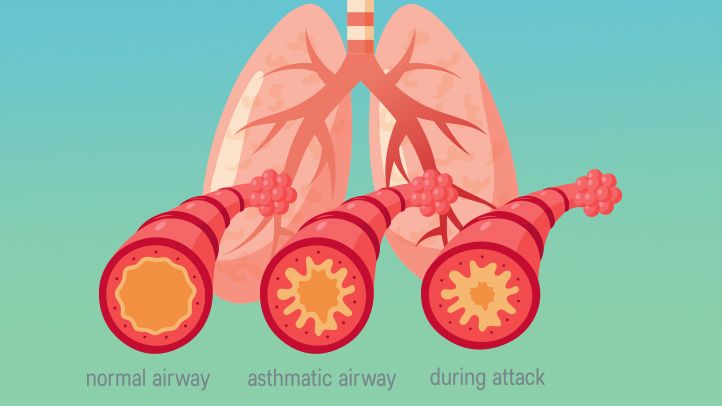
Omalizumab is used to treat asthma. It does so by blocking surface receptors on mast cells and basophils, so that the antibody IgE cannot bind to them. By preventing binding, an allergy reactions and inflammatory responses do not occur or occur less frequently because they are not induced since there is no binding antibody initiating the response. By preventing IgE binding, the initiation of allergic reactions are prevented. This helps an asthmatic patient since the less allergic reactions they experience, the less likely they are to have an asthma attack. As someone studying microbiology, understanding the mechanics behind this drug increases my confidence its effectiveness, since I understand the way in which it will help someone who has asthma. I hope it is being used now to help those with asthma to continue preventing allergic reactions, which will hopefully keep them well enough to combat the coronavirus, should they become infected.

Monoclonal Antibody

Effects and More

Like all drugs, omalizumab has side effects. These side effects include:

  • headaches
  • viral infections
  • upper respiratory tract infections
  • sinusitis
  • pharyngitis
  • injection site reactions including pain, redness, swelling, itching, and bruising
  • serious life threatening allergic reactions including difficulty breathing, fainting, low blood pressure, swelling in the throat or tongue

Possible side effects in relation to the fact that this drug is used to treat asthma, include preventing an allergic reaction that was necessary. For example, if your body is not reacting with an allergic reaction then you do not know that you need to seek medical attention or to stop interacting with the antigen/agent that is causing your allergic reaction. This makes another possible side effect preventing a necessary allergic reaction. In addition, in atopic patients, it has been found to reduce the number of FcRI cell receptors on basophils. This drug is not known to make one more susceptible to other disease infections, nor is it known to cause a positive response to a tuberculosis test. This drug does impact the immune system because it interrupts it by stopping IgE from initiating an allergic reaction. Allergic reactions are controlled by the innate immune response. While this drug has a positive effect for the asthmatic patient, it is the innate immune system that is being negatively affected because it is being stopped from what it is supposed to be able to do, which is bind IgE to receptors on basophils and masts cells in order to initiate allergic reactions. I am thankful this durg exists since I have many friends with asthma and I know this can keep them from constantly having asthma attacks.

Covid 19 Tests

Testing for the Currently Infected

There are two types of testing for covid 19: one that tests to see if an individual is currently infected with the coronavirus and one that is an antibody test to see if an individual had been previously infected with the coronavirus, but is not currently infected. Many of the tests that are checking to see if a patient currently has covid focus on looking for RNA molecules of the virus. According to Genetic Engineering and Biotechnology News, one of the tests looking for specific RNA molecules is called Mango. Mango was developed at the Simon Fraser University. The Mango test to detect things on the molecular level and contains an aptamer, which acts like a magnet and binds to specific RNA segments. The Mango tests specifically looks for positive stranded RNA, which is what the coronavirus is. The test is called Mango due to the fluorogenic tendencies that occur when the aptamer binds to RNA segments. There are different tests to verify whether or not an individual is currently infected with the coronavirus, and Mango is just one of many that focuses on looking for the RNA strand of the coronavirus.

Introduction to Antibodies

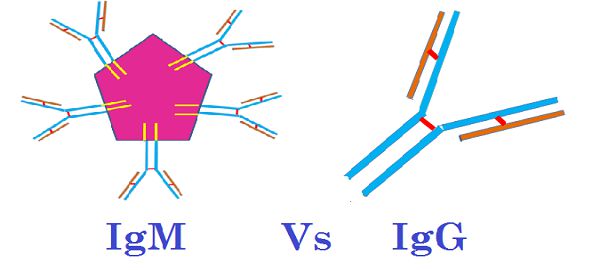
Antibodies are proteins produced by B cells and they play a crucial part in our immune system. Antibodies are used to identify and fight bacteria and viruses that infect our bodies, but only ones that we have previously encountered, otherwise there is no way for our immune system to know how to combat a particular foreign particle. There are 5 different isotypes of antibodies, but two extremely relevant ones are IgM and IgG. IgM is the antibody that serves as the initial response, while IgG is longer lasting and the antibody most present in blood. Antibody titers are tests to determine how much of a particular antibody is present. When you test positive for only IgM means you are in the early stages of an infection, since IgM is associated with the first immune response to an infection. When you test positive for IgM and IgG then you are in the middle stages of an infection because you are showing antibodies associated with the initial and developed immune responses. When you have a primarily IgG antibody titer then you are in the last stages of the infection, since the antibody associated with the initial response is not extremely present. I am personally glad I am currently in microbiology because learning all of the details behind what I read in the news concerning the coronavirus leads to a deeper level of understanding and helps things make more sense.

Antibodies

Covid Antibody Test

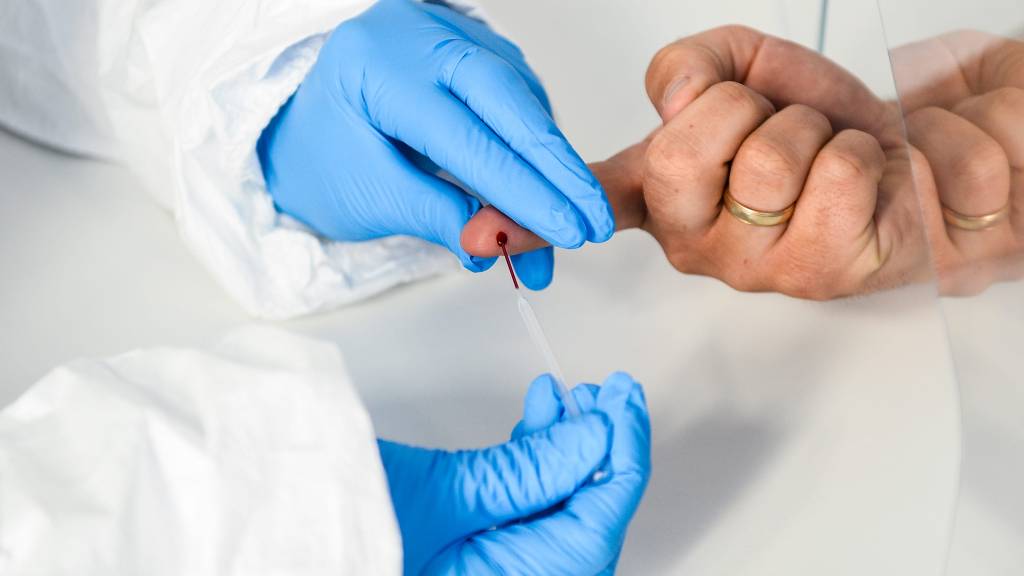
A covid antibody test could be given to an individual to test whether they were previously infected with the coronavirus and have developed an immune response to the virus. An article from April 11 from Newsweek states that Stanford scientists have developed an antibody test. It is a blood test that takes between two and three days to get the results. It is testing for IgM and IgG antibodies associated with the coronavirus. As I explained in the previous paragraph, the abundance of the different types of antibodies will offer some insight into how far along in the infection a patient is. I think this will be a great tool to use to help places begin to reopen. If widespread antibody testing was available then people would know whether or not they have been infected. If you know you were infected and developed an immunity to it then you would be able to interact with others who were also immune and begin to resume normal life, and therefore be able to better aid those who are currently infected. I would hope that testing soon becomes easily available to everyone.

Antibody Testing

Life Beyond Corona

Outside of the Covid 19 Pandemic

Even though the covid pandemic is the topic of every discussion right now, all other aspects of life are still going on. Most other diseases are being pushed to the background during this pandemic. I am someone who has personally experienced how the corona pandemic has affected those with other medical problems. This past weekend, my sister who has hydrocephalus, needed her shunt replaced. This requires a standard procedure, but still is brain surgery. The covid pandemic did not stop her from needing immediate medical attention. Fortunately, the pediatric neurology department at Duke was not very busy and she received the medical attention that she needed. However, due to the coronavirus outbreak, she was only allowed to have one visitor with her, so my parents took turns switching off staying with her, and neither my brothers nor I could go see her. I know many people are not as fortunate as my family and their diseases or medical conditions are much more impacted by the coronavirus. Outside of corona other diseases are not getting the attention or time they deserve so many others are suffering at the loss of resources that have been redirected to the coronavirus outbreak.

Pertussis Today

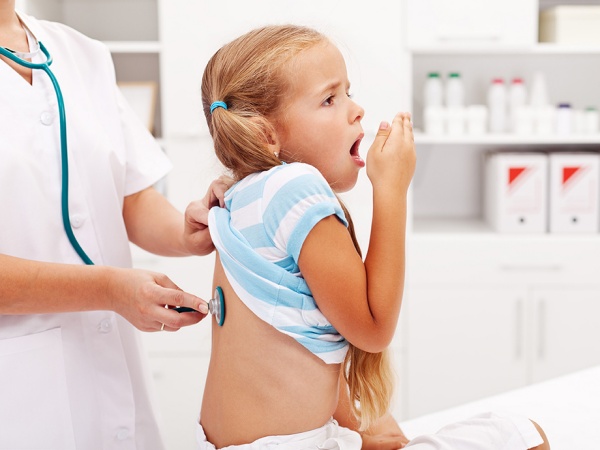
Pertussis, also known as whooping cough, is a disease that has lost a lot of attention amidst the coronavirus pandemic. Like covid, it is a disease that affects the respiratory system. According to the CDC, symptoms of pertussis include fever, runny nose, exhaustion, vomiting, and violent coughing fits. It is extremely dangerous for infants. It is also an extremely contagious disease that is spread through large droplet nuclei, which is when the droplets shed when an infected person coughs or sneezes are inhaled by a healthy individual and then they become infected. Toxins are then released, which damage the airways. Fortunately, there are vaccinations available.

The pertussis vaccine is often given in a vaccine that also protects against diphtheria and tetanus. According to the US National Library of Medicine, the DTaP vaccine combats these three diseases and is intended for younger children. Older children and adults also combats all three diseases, but instead is intended for older children and adults. While pertussis thankfully has a vaccine, many diseases do not and the patients with these diseases are losing beds in hospitals, funding for studies, time and resources from professionals during this pandemic. For diseases like pertussis that can be extremely serious, patients are competing for the same resources as corona patients, in the form of breathing machines and respiratory treatments. While obviously I want professionals to be focused on dealing with the pandemic, I hope that not too many people suffer as their diseases and conditions are overshadowed by corona.

Personalized Medicine: Just For You

Introduction

Personally, I was really intrigued on hearing the phrase “personalized medicine.” I mean who would not want medicine or a treatment designed just for themselves. Personalized medicine refers to a concept of improving patient outcome through choosing treatments that are specifically created for the patient. Two common examples of this are T cell and dendritic cell therapy. Both of these methods involve collecting cells from a patient, genetically engineering those cells, multiplying the cells, and then reintroducing them to the patient. They are so personalized because they are taken from the patient and then modified for the exact needs of that particular patient.

Personalized Medicine

Example of Dendritic Cell Therapy

A study done by Nature Communications investigates dendritic cell therapy as a form of immunotherapy against tumor growth. It states that dendritic cells have the ability to present tumor associated antigens, and for that reason they have been studied in how to be modified to be used in personalized vaccines to fight cancer. However, at this moment there are no ground breaking results, due to the lack of clinical studies and research in the area. Not that there are not studies, just there needs to be in order to find the optimal effects of dendritic cell therapy. For example, some believe the therapy needs to be given with other compounds that will counter the suppressants of dendritic cell function. There seems to be a lot of hope that this is a treatment that could eventually work in fighting cancer, but more research needs to be done, which is something I would support.

Dendritic Cell Therapy

Example of T Cell Therapy

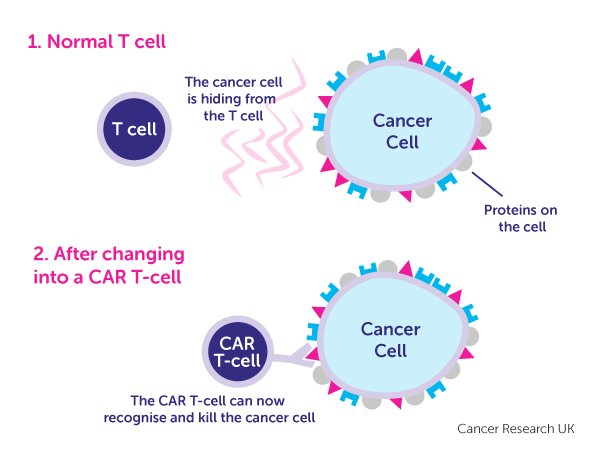
A common type of T cell therapy is CAR T cell therapy which is described by the Cleveland Clinic as a way to kill cancer cells by modifying an individual’s white blood cells. This specific T cell therapy is used to treat lymphoma and myeloma. The process involves remaining T cells from the patient’s blood and modifying them so they have chimeric antigen receptors and then returning the cells to the patient after chemotherapy. There is a reported 80% positive response from patients meaning there was no signs of cancer or a reduction in cancer. I am personally a little skeptical because that is an extremely high success rate, yet I have not heard of this treatment previous to this class. I am in support of more research towards this therapy and hopefully it would expand towards others cancers and other diseases.

Potential Corona Vaccine

Pittco Vacc

On April 2, 2020 UPMC released an article discussing the University of Pittsburgh School of Medicine’s recent research on a potential corona vaccine, that they have named Pittsburgh Corona Vaccine (Pittco Vacc). This vaccine is based off of mRNA. It works by synthetically made pieces of viral protein that will build immunity to Covid 19. In addition, they want to administer it in a unconventional way. They want to use a fingertip sized patch, similar to a Band Aid, that contains many tiny needles that will inject the protein into the skin. It has been used in mice trials, and is applying to the FDA to be allowed to be used in human trials.

The team that is working on this vaccine gained knowledge from the SARS and MERS virus outbreaks that occurred earlier in the decade. Through previous studies on these viruses it was made known that immunity was dependent on a spike protein. This gave a good starting point to the Pittsburgh researchers, due to the similarities between SARS, MERS, and COVID. The reason for the unconventional manner of giving the vaccine is to allow for easy transportation and manufacturing of the vaccine. This is because it will not need to be refrigerated once it is produced. Unfortunately, it will likely need at least a year of testing in human patients, and those trials have not started yet. I am optimistic because this seems like a hopeful option for a vaccine, and it is very innovative, but it is also scary to think of how many more people will be affected before the vaccine is safe to use.

Janssen Vaccine

Thankfully, there are many different teams and organizations working to develop vaccines. One of those teams in Janssen Research and Development, through the company Johnson & Johnson. This vaccine is hoping to start human trials sometime mid 2020, making a vaccine available to the public in early 2021. This research group has the support of the HHS and BARDA, which will hopefully lead to accelerated trials and development. Getting FDA approval will also be another step before this vaccine can be used. The FDA has already approved 20 different tests for corona. I am hopeful that once human trials begin, a vaccine will be available soon after that. Also, maybe this pandemic will change the opinion of those who have “anti vaccination” beliefs.

Tuberculosis Today

Background

Tuberculosis is a bacteria caused illness that primarily attacks the pulmonary system. In addition to causing the tuberculosis disease, the bacteria can cause a latent tuberculosis infection, which results in an infected patient who does not feel sick. This reminds me of Covid 19, which primarily affects the respiratory system and can present asymptomatically in some patients. According to the Center for Disease Control and Prevention, the disease is spread when the bacteria are spread into the air from an infected individual and then breathed in by an uninfected person. Once an individual’s lungs are infected, the disease can easily spread to other parts of the body and other vital organs. Symptoms of tuberculosis include a cough lasting longer than three weeks, chest pain, and bloody sputum.

Prevention and Treatment

There is treatment for TB and latent TB. If someone has latent TB, it is still recommended that they be treated even if they do not feel sick because the latent infection can become symptomatic tuberculosis. TB is treated with a combination of different drugs for anywhere between 6 and 9 months. However, it is ESSENTIAL for the patient to complete their drug regimen or the bacteria will not be removed. It is so important for the patient to take all of their drugs otherwise the bacteria can develop even more drug resistance than it already has. Prevention for TB mostly includes receiving regular TB testing and avoiding contact with people infected with TB. Even though it is a serious illness, I am thankful that it does not spread as easily as the coronavirus. I am worried though about TB patients, who are also experiencing a shortage of supplies and hospital access during this corona pandemic.

Prevalence in Today’s World

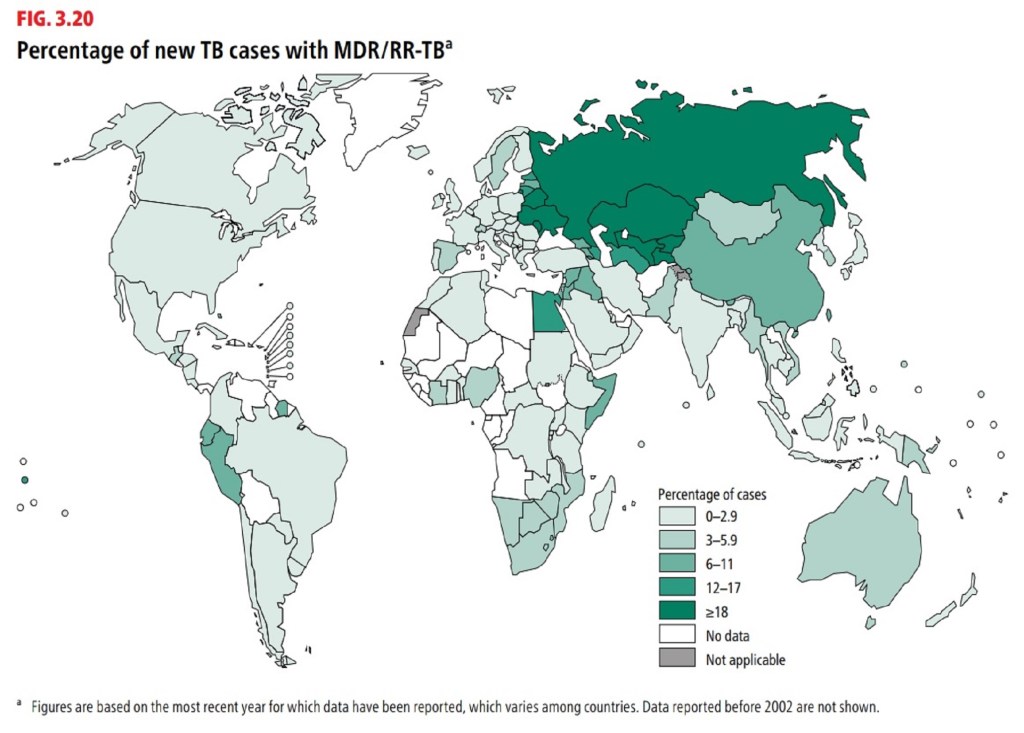
According to Medical News Today, tuberculosis used to be a major cause of death, but then its death rate fell because of antibiotics. Unfortunately, that rate started to increase again as antibiotic resistant tuberculosis rose. That is why some health centers are becoming stricter with the regimen of antibiotics they are prescribing their TB patients. If one patient chooses not to finish their antibiotics then the disease will remain persistent and mutate to become more antibiotic resistant. This is putting so many more people in danger because the less effect that antibiotics will have against TB, and therefore treatment options for TB will begin to decrease. In 2018, 10 million people across the world were diagnosed with TB. This proves it is still a prevalent disease that needs to be taken seriously. I feel like the frustration I feel when others do not practice social distancing during this pandemic is a similar frustration that I get from TB patients who do not finish their antibiotics, it is annoying because they are putting everyone else at a higher risk for getting sick and not having a treatment option.

Drug Resistant TB Cases

An Update On My New Normal

Traveling Back From Peru

For me, my “corona experience” started a little later than others. This is because I spent my spring break in Peru and did not return to the United States until Saturday, March 14th. I was on a volunteer trip with a medical focus in the small beach town of Huanchaco, and therefore was relatively sheltered from all the corona news, since I was not constantly looking at my phone and focused more on being present in the moment while I was there (I got to give Hepatitis B and tetanus vaccines, as well as HIV testing). However, when it came time to leave Peru, I became aware of how serious the spread of the coronavirus had become. I started to get worried about keeping myself safe while traveling. I just made sure to wipe down my seat and tray tables, stay away from people, wash my hands often, and to not touch my face. I was extremely relieved when I made it back home, especially because soon after I left, Peru shut its borders and I had a friend who has been stuck there for a couple of weeks. Today, March 28, I have officially been back in the US for two weeks and still not shown any symptoms.

Studying From Home

Honestly, studying from home has been a lot less stressful than I thought it would be. While it is not easy, the transition was fairly smooth, I think since a lot of assignments for my classes were already supposed to be completed online. The biggest change has come from now doing lectures over Zoom and testing online. My greatest concern as a pre-nursing student is that my GPA is going to be lower than it would have been, since the nursing school does not have the same pass/fail policy as the College of Arts and Sciences. Also, it has become a lot harder to study and stick to a schedule since sometimes the amount of material feels ovewhelming. I am appreaciative that most of my classes are using Zoom and therefore I have still some structure in my schedule. I have not completed many tests online so far, but while I am more relaxed and less anxious than I am when testing in a classroom setting, I am also less focused and concentrated.

How I Am Dealing

I have been conscious of this situation and been following most guidelines. I have remained inside my house except to walk walk my dogs and run outside. I continue to wash my hands often. I have not spent time with any friends or hung out in large groups. Part of this is because I feel I have no right to put others in danger due to my desire to be social, but mostly because my mom works in a retirement, which houses the most at risk population. She is an essential personnel and therefore continues to go to work, but she answers a symptom questionnaire everyday before work and has her temperature taken. So far her workplace has had no cases and hopefully it will remain that way.

My Meme:

Corona Meme

Covid-19: The Everchanging Crisis

Covid 19 Updates

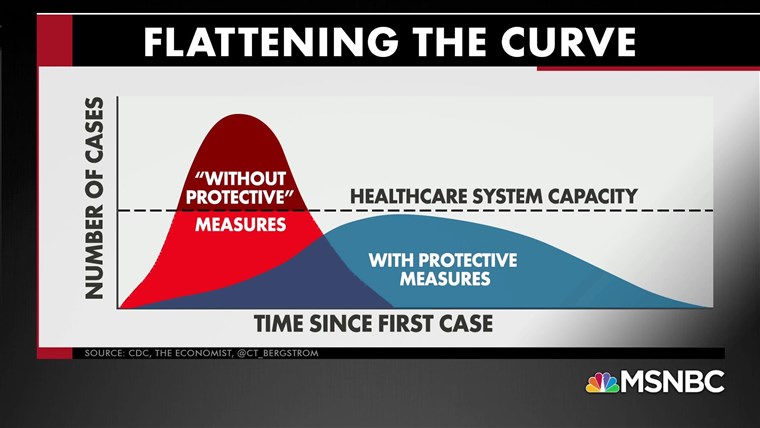
As of March 21, 2020, the coronavirus has caused 11,201 deaths in 185 different countries, according to the World Health Organization. It has been declared a pandemic. It is recommended to reduce travel and interactions with others. The symptoms are consistent with those of acute respiratory illnesses, meaning fever, severe cough, and shortness of breath. Many places are calling for self quarantines and social distancing in order to “flatten the curve”. Flattening the curve is referring to reducing transmission rates in order to allow healthcare facilities the time to better prepare for the crisis. More time will allow better chances of developing a vaccine or a cure, and allows hospitals to become better equipped with more supplies, such as masks and ventilators.

Flattening the Curve

PREVENTION, PREVENTION, PREVENTION

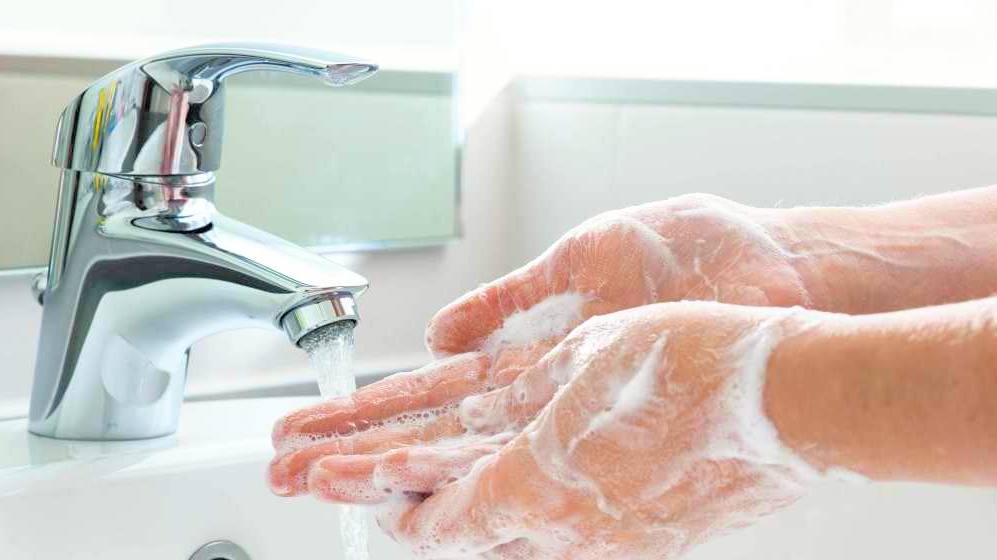
According to the CDC, there is no vaccine or cure at the moment, then our best defense is to prevent the spread of the disease. The virus is spread through large droplets, so remaining 6 feet away from others at all times decreases the risk of inhaling respiratory droplets from an infected individual. This why the concept of social distancing is beneficial. In addition, frequently washing hands with soap and warm water for at least 20 seconds is another great defense. This coupled with not touching your face will help reduce the amount of droplets from surfaces brought to your nose and mouth from your hands. Properly covering your coughs and sneezes, such as coughing into your elbow, will help reduce the spread of droplets to other surfaces and people. Staying home if you believe you are infected is greatly recommended.

Washing Hands

My Take

The coronavirus has drastically changed my day to day life, but I do not feel like I have the right to complain about it since neither myself nor my family has it (that we know of) and there are many people facing much more drastic consequences than myself. I have been practicing social distancing since I returned from a trip to Peru (to a region that still has no cases) on March 14. I have been staying indoors, except to take my dogs on a walk. It is extremely frustrating to see other college students disregard the pandemic and continue traveling and going out and not practicing social distancing. It is also frustrating to watch people freak out and buy absurd amounts of toilet paper or surgical masks, when what the world needs is for everyone to wash their hands and not touch their face and practice social distancing. I am extremely glad to be taking microbiology this semester to get Dr. Cramer’s perspective on all of this.

Transmission and Prevention of STDs

General Overview and Transmission

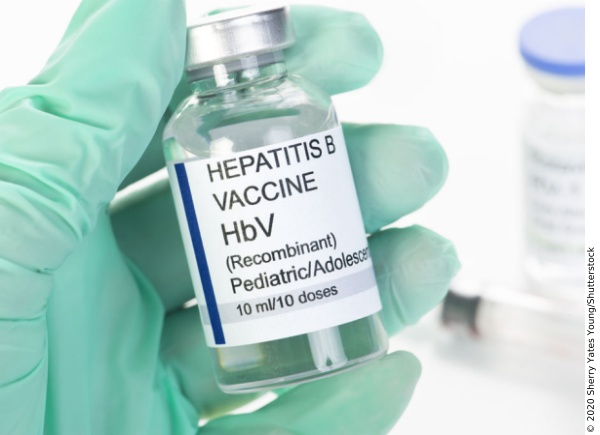
STDs are sexually transmitted diseases. They can be transmitted from sexual contact, including vaginal, anal, and oral sex through blood, semen, or vaginal fluid. According to Mayo Clinic, unfortunately, STDs are commonly transmitted because it can be common to show no symptoms and therefore one can pass the disease to a sexual partner without knowing so. When symptoms are present, they typically include sores, fever, rash, discharge, painful urination, or pain during sex. In addition, transmission can occur from mother to fetus, but only certain diseases, such as chlamydia, HIV, and syphilis. The good news is that some STDs have vaccines, including HPV, and Hepatitis A and B. Recently, I travelled to Trujillo, Peru to volunteer with a small medical clinic, and we spent one day giving Hepatitis B vaccinations to factory workers.

Hepatitis B Vaccine

Prevention

The best method to prevent STDs, according to Planned Parenthood, is to not have sex, meaning practice abstinence. This is the best method because it eliminates the transmission route of STDs and therefore greatly reduces the chances of acquiring an STD. However, there are many ways to practice safe sex. For example, condoms can block the transmission of fluid and skin to skin contact and help reduce the risk of STD transmission if used properly. I remember in middle school, during the sex education unit in health class, the teachers always stressed condom use to prevent pregnancies and STDs.

Condom

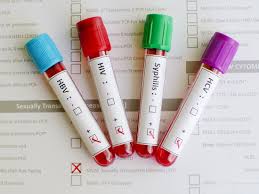
In addition, regular STD testing and monogamy also help prevent STD transmission. This is because monogamy means only engaging in sexual practices with one partner. If an individual is only having sex with one other partner, then they are only at risk for receiving/spreading an STD from/to that partner. ANd this is where STD testing is extremely helpful. STD testing is the only guaranteed way to let someone know if they have an STD. If two partners are tested for STDs before engaging in sexual activity, and they remain monogamous, then the chances of either acquiring an STD are fairly low. STD testing can involve blood, saliva, and urine tests. Many college campuses promote free or cheap STD testing in order to provide safe sex options to young adults.