Overview
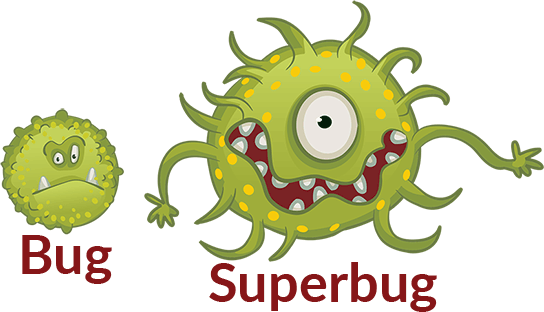
Antibiotic resistant organisms are organisms that develop the ability to combat the antibiotics that were created to destroy them. Antibiotic resistant organisms lead to the emergence of superbugs. Superbugs are particular strains of bacteria that have become resistant to most of the commonly used antibiotics. Antibiotic resistant organisms are dangerous because it leaves us vulnerable to different diseases, since our antibiotics are having lessening effects in combating infectious organisms. According to the CDC, antibiotic resistant organisms are formed essentially through mutations. For example, an antibiotic is given to a patient to rid of an organism. Then that organism mutates and begins producing antibiotic resistant cells. Then those cells replicate and create an antibiotic resistant organism that can spread to other hosts and cause more infections. New antibiotic resistant organisms are emerging, likely because of the misuse of antibiotics (an example being when doctors prescribe antibiotics to be used to treat viruses). Thankfully, there are many people working to raise awareness about misusing antibiotics, Dr. Cramer being a perfect example, since she allows reminds her students to not take antibiotics for illnesses caused by viruses.
If we lose the ability to use antibiotics, our world will be in danger. Resistant organisms can make diseases harder to treat and therefore easier to spread. for many years, scientists and doctors have worked hard to find treatments for different illnesses and it the progression of antibiotic resistant organisms is not slowed down, then all of the work and research will have short lived benefits since those treatments will no longer be effective. As I previously stated, antibiotic resistant organisms are emerging from mutations that lead organisms to reproduce their antibiotic resistant traits. In addition, antibiotics are used in livestock feed. This purpose of this is to help the animals gain weight, so that the producers earn a larger profit. Unfortunately, this only increases antibiotic resistant organisms. Even when meat or poultry are labelled as antibiotic free, it only means that there were no traces of antibiotics in the animal’s body when it was slaughtered, but it does not mean that that animal has not been fed antibiotics. As a vegetarian, I thankfully do not have to worry about this since I do not eat any type of meat.
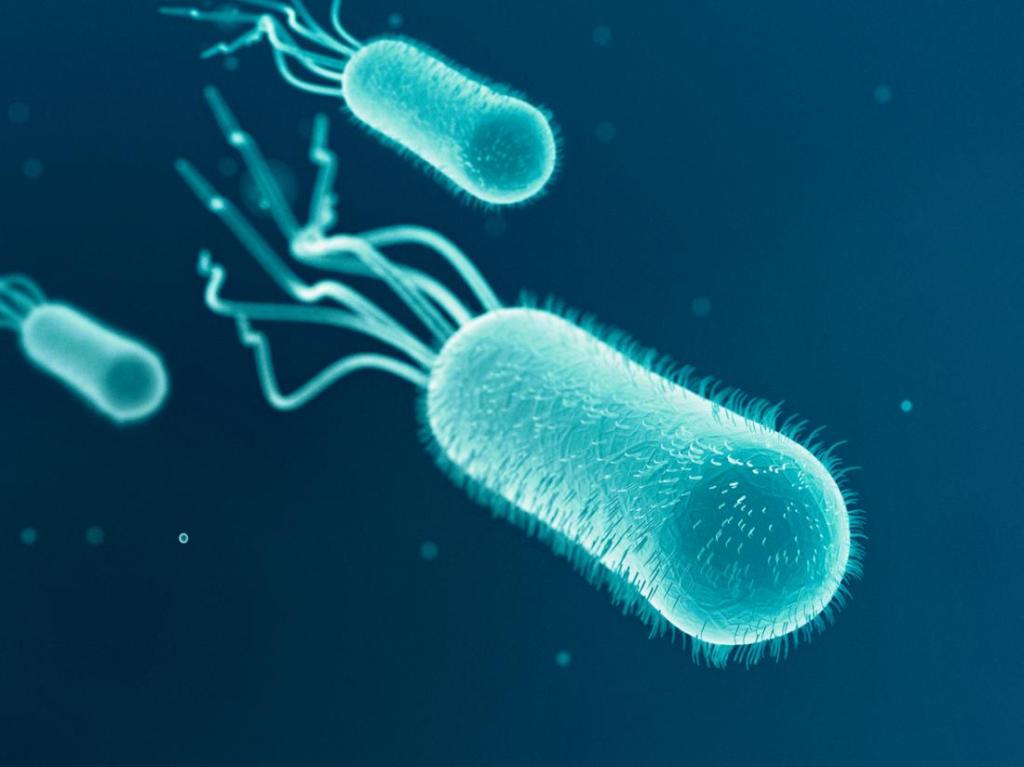
E. coli: Antibiotic Resistant
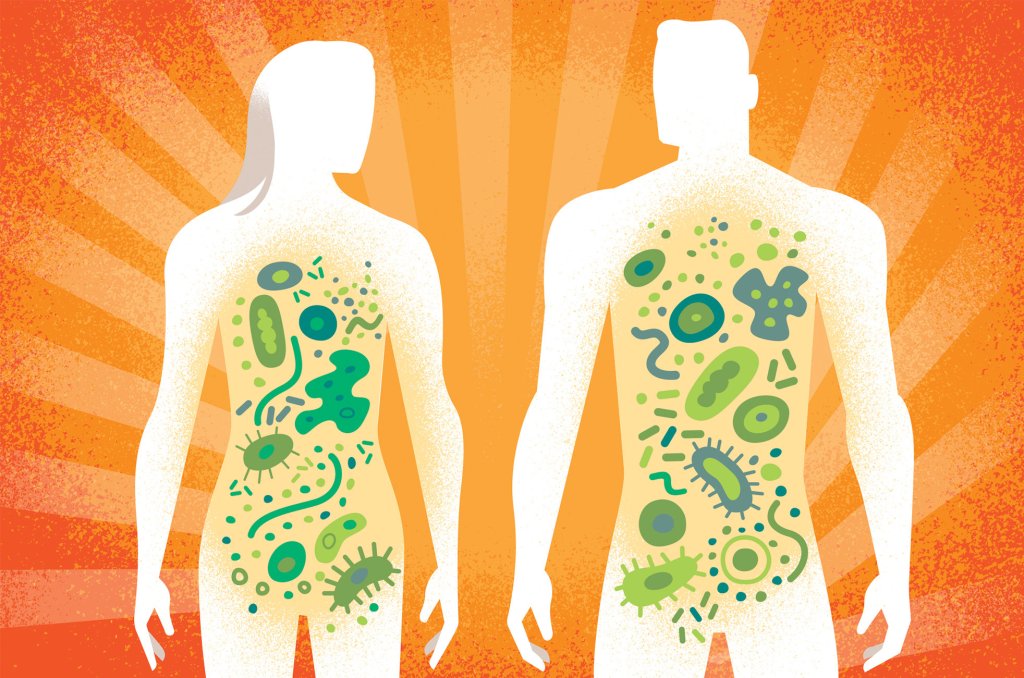
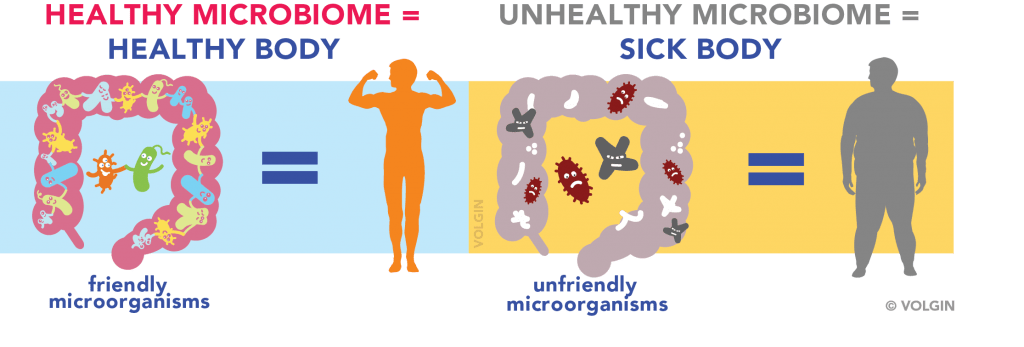
E. coli is an organism we have all heard of. This is likely because it is so common, and found in all of our guts. However, specific strains of E. Coli can cause unwanted illnesses or diseases, which according to Medical Press, include urinary tract infections, food poisoning, blood poisoning, or infections in the gut. Unfortunately, antibiotic resistant E. coli is becoming increasingly common, and can even be spread from unsanitary toilets or undercooked meat. The ESBL strain of E. coli a strain that is particularly resistant to antibiotics, including penicillin and cephalosporin. I am worried for the future of our world, if antibiotic resistant organisms keep increasing in number, eventually we may not have a way to treat a variety of diseases, and what will we do then?








 Sommer's Blog